Site Plan Requirements in Hampton, VA (Permit Guide)
Hampton, Virginia homeowners must submit a residential site plan for most construction projects, from decks and pools to additions and ADUs. This guide covers Hampton's permit triggers, zoning rules, setback requirements, and how to navigate the city's plan review process efficiently.
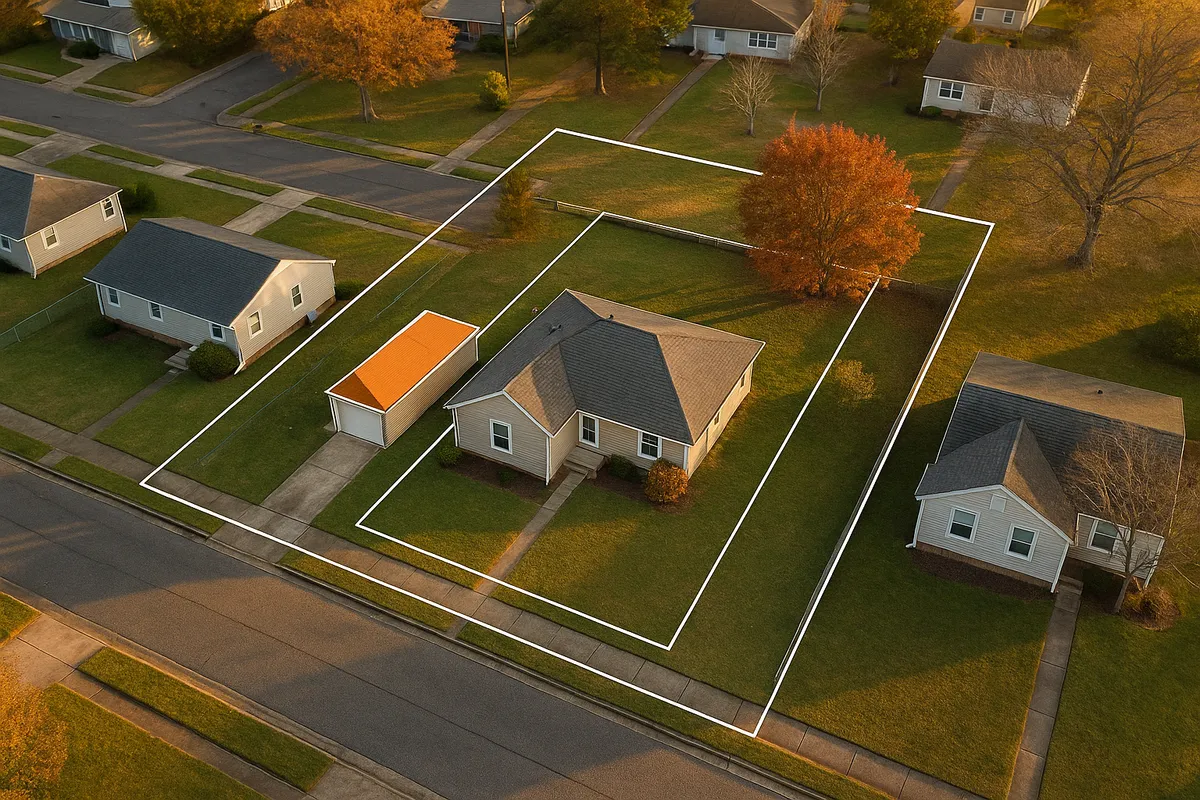
Residential Site Plans in Hampton, Virginia: What Every Homeowner Needs to Know
Hampton, Virginia sits at the heart of the Hampton Roads region, bordered by the Chesapeake Bay, Hampton Roads harbor, and the Back River. That coastal geography shapes nearly every aspect of local building regulation, from floodplain overlays and impervious-surface limits to stormwater management requirements. Whether you are planning a backyard deck, a detached garage, an in-law suite, or a swimming pool, the City of Hampton will almost certainly require a site plan as part of your permit application. Understanding what goes into that plan, and how the local review process works, can save you weeks of back-and-forth with the city.
What Is a Residential Site Plan and Why Does Hampton Require One?
A residential site plan is a scaled, overhead drawing of your property that shows the lot boundaries, existing structures, proposed improvements, setback distances, driveways, utility easements, and any relevant environmental features such as floodplain boundaries or drainage swales. Hampton's Department of Codes Compliance uses the site plan to confirm that your project meets the Virginia Uniform Statewide Building Code (USBC), the Hampton City Code, and applicable zoning district standards before a permit is issued.
Because Hampton is an independent city with no surrounding county, all zoning and building authority rests entirely with city departments. The city adopted the 2021 Virginia Construction Code (based on the International Building Code) and enforces it through local ordinance amendments. You can review the state building code framework at the Virginia Department of Housing and Community Development.
Permit Triggers: Which Projects Require a Site Plan in Hampton?
Not every home improvement project triggers a full permit and site plan, but the list of projects that do is longer than most homeowners expect. In Hampton, you will generally need a permit and an accompanying site plan for:
- Decks and porches: Any deck attached to the house, or a freestanding deck over 200 square feet, requires a building permit and site plan.
- Sheds and accessory structures: Detached structures larger than 256 square feet (or any structure with electrical or plumbing) require a permit. Smaller sheds may still require zoning approval depending on placement.
- Swimming pools and hot tubs: In-ground and above-ground pools deeper than 24 inches require a permit. A site plan showing pool placement, required setbacks, and fencing is mandatory.
- Fences: Fences over six feet in height require a zoning permit. Corner-lot fences and fences in historic districts have additional restrictions.
- Room additions and home expansions: Any addition that increases the building footprint triggers both a building permit and a site plan review.
- Accessory Dwelling Units (ADUs): Hampton's zoning ordinance permits ADUs in most residential districts, but requires a detailed site plan showing the primary dwelling, the ADU footprint, parking, and utility connections.
- Driveways and impervious surfaces: New driveways or significant expansions of existing paved surfaces may require a zoning review and stormwater management documentation, particularly in areas with impervious-surface coverage limits.
- HVAC, electrical, and plumbing upgrades: These typically require trade permits but not always a full site plan unless the work involves exterior equipment placement.
Hampton Zoning Quirks and Local Considerations
Hampton's coastal location introduces several regulatory layers that homeowners in inland Virginia cities do not face.
Floodplain regulations: A significant portion of Hampton lies within FEMA-designated Special Flood Hazard Areas (SFHAs), including AE and VE flood zones. Any construction in a floodplain requires a Floodplain Development Permit in addition to the standard building permit. Your site plan must show the Base Flood Elevation (BFE) and the finished floor elevation of any proposed structure. Hampton participates in the National Flood Insurance Program (NFIP); you can look up your flood zone at FEMA's Flood Map Service Center.
Historic districts: Hampton has several locally designated historic districts, including portions of Phoebus and the downtown area. Projects in these districts require review by the Architectural Review Board (ARB) before a building permit can be issued. Site plans for historic-district projects must include existing facade details and materials information.
Chesapeake Bay Preservation Area: Properties near tidal waterways fall under the Chesapeake Bay Preservation Act, which restricts impervious cover, mandates Resource Protection Area (RPA) buffers, and requires specific stormwater controls. If your lot is within an RPA, your site plan must show the buffer boundary and demonstrate that proposed improvements comply with state water quality standards.
HOA restrictions: Many Hampton neighborhoods, particularly newer subdivisions near Coliseum Central and Buckroe Beach, have active homeowners associations with their own design standards. HOA approval is separate from city permits, but the city will not waive its requirements because an HOA approved a project.
Typical Setback Requirements in Hampton
Setbacks in Hampton vary by zoning district, but the following ranges are typical for standard single-family residential (R-13, R-9, and R-7) zones:
- Front yard setback: 20 to 30 feet from the front property line
- Side yard setback: 5 to 8 feet per side (corner lots have an increased street-side setback of 15 to 20 feet)
- Rear yard setback: 20 to 25 feet from the rear property line
- Accessory structures: Generally must be at least 5 feet from side and rear property lines and behind the rear line of the primary dwelling
Always verify setbacks for your specific parcel and zoning district through the City of Hampton's GIS and zoning resources before finalizing your site plan, as overlay districts and lot-specific conditions can alter standard requirements.
The Hampton Permit Submission Process
Hampton's Department of Codes Compliance handles residential building permits. As of 2026, Hampton accepts permit applications both in person and through its online permitting portal.
Step-by-Step Overview
- Determine your zoning district and overlay requirements using the city's online zoning map or by contacting the Codes Compliance office.
- Prepare your site plan showing lot dimensions, all existing and proposed structures, setback distances, driveways, easements, and any floodplain or RPA boundaries.
- Gather supporting documents, including construction drawings, energy compliance forms, and any required ARB or floodplain documentation.
- Submit your application online via the city's permitting portal or in person at City Hall, 22 Lincoln Street, Hampton, VA 23669.
- Pay the permit fee at submission. Fees are based on the valuation of the project.
- Await plan review. Routine residential projects typically take 5 to 15 business days for initial review. Complex projects, floodplain permits, or ARB reviews can extend timelines to 4 to 8 weeks.
- Respond to correction notices promptly if the reviewer requests additional information or revisions to your site plan.
- Schedule inspections at each required phase of construction after the permit is issued.
Common Reasons Hampton Applications Get Rejected
Plan reviewers in Hampton frequently flag the following issues:
- Missing or incorrect setback dimensions: The site plan must show measured distances from every proposed structure to every relevant property line.
- No scale bar or north arrow: Plans submitted without a graphic scale or orientation reference are routinely returned.
- Floodplain information missing: Projects in or near flood zones that omit BFE data or finished floor elevations will not pass review.
- Lot coverage calculations absent: Zoning districts cap the percentage of a lot that can be covered by impervious surfaces. Your site plan should include a simple lot coverage table.
- Easements not shown: Utility, drainage, and access easements recorded on the plat must appear on the site plan.
- Inconsistent dimensions: If the written dimensions on a plan do not match the scaled drawing, reviewers will send the application back for correction.
Get Your Hampton Site Plan Right the First Time
Navigating Hampton's coastal regulations, floodplain requirements, and zoning overlays can feel overwhelming, especially for first-time permit applicants. Site Plan Creator is designed to help Hampton homeowners and contractors produce accurate, reviewer-ready residential site plans quickly and affordably. Our tool guides you through every required element, from setback callouts to lot coverage tables, so your application has the best possible chance of sailing through Hampton's plan review process on the first submission. Start your Hampton site plan today at siteplancreator.com and move your project forward with confidence.
Frequently Asked Questions
- Do I need a permit to build a deck in Hampton, VA?
- Yes. In Hampton, any deck attached to your home requires a building permit regardless of size. Freestanding decks over 200 square feet also require a permit. As part of the application, you must submit a site plan showing the deck's location on the lot, its dimensions, the distance from all property lines, and how it connects to the house. If your property is in a FEMA Special Flood Hazard Area, you will also need a Floodplain Development Permit, and the site plan must include Base Flood Elevation data. Hampton's Department of Codes Compliance reviews these applications, and routine deck permits typically take 5 to 15 business days to process. Building a deck without a permit can result in stop-work orders, fines, and required demolition.
- How much does a site plan cost in Hampton, Virginia?
- Hampton does not charge a separate fee specifically for site plan review; the cost is bundled into the overall building permit fee, which is calculated based on the declared valuation of your project. For a typical residential deck or shed, permit fees often range from $75 to $200. A room addition or ADU with a higher construction value can generate permit fees of $300 to $800 or more. If your project requires a Floodplain Development Permit or Architectural Review Board approval, additional administrative fees apply. The cost of preparing the site plan itself depends on whether you draw it yourself, use an online tool like Site Plan Creator, or hire a licensed surveyor or design professional, which can range from a few hundred to several thousand dollars.
- How long does it take to get a building permit approved in Hampton, VA?
- For standard residential projects such as decks, sheds, or fences, Hampton's Department of Codes Compliance typically completes plan review within 5 to 15 business days after a complete application is submitted. Projects that involve floodplain overlays, Chesapeake Bay Preservation Area buffers, or historic district review by the Architectural Review Board can take 4 to 8 weeks or longer. Incomplete applications, missing site plan elements, or correction notices that require resubmission will reset the review clock. Submitting a thorough, accurate site plan on the first attempt is the single most effective way to avoid delays. As of 2026, Hampton accepts applications online, which can speed up the intake process compared to in-person submission.
- What does Hampton, VA require on a residential site plan?
- A residential site plan submitted to Hampton's Codes Compliance office should include: the lot boundaries with dimensions drawn to scale; a north arrow and graphic scale bar; the location and footprint of all existing structures on the property; the location and dimensions of the proposed improvement; setback distances measured from the proposed structure to every applicable property line; driveways, walkways, and paved surfaces; recorded easements; utility connections; and a lot coverage calculation table. For properties in FEMA flood zones, the plan must also show the Base Flood Elevation and finished floor elevation. Properties near tidal water must show the Resource Protection Area buffer boundary. Plans missing any of these elements are routinely returned without review.
- Can I draw my own site plan in Hampton, or do I need a licensed surveyor?
- For most standard residential permits in Hampton, you are not required to hire a licensed surveyor or engineer to prepare your site plan. Homeowners and contractors regularly prepare their own site plans using a recorded plat as the basis for lot dimensions and boundaries. The key requirement is accuracy: the plan must be drawn to a recognizable scale, include all required elements, and reflect actual field conditions. Online tools like Site Plan Creator can help non-professionals produce clean, reviewer-ready drawings that meet Hampton's standards. However, if your project involves complex grading, structural engineering, work in a floodplain, or construction in a historic district, the city may require stamped drawings from a licensed professional engineer or architect.
- What are the setback requirements for residential properties in Hampton, VA?
- Setback requirements in Hampton vary by zoning district. In common single-family zones such as R-13, R-9, and R-7, typical setbacks are: 20 to 30 feet from the front property line; 5 to 8 feet from each side property line; and 20 to 25 feet from the rear property line. Corner lots must observe an increased street-side setback of 15 to 20 feet. Accessory structures like sheds and detached garages generally need to be at least 5 feet from side and rear lines and positioned behind the rear wall of the main house. These are general ranges, and your specific parcel may be subject to different standards based on overlay districts or recorded plat conditions. Always confirm setbacks with Hampton's Codes Compliance office before drawing your site plan.
- Where do I submit a site plan or permit application in Hampton, VA?
- As of 2026, Hampton accepts residential permit applications through its online permitting portal and in person at the Department of Codes Compliance, located at 22 Lincoln Street, Hampton, VA 23669. The online portal allows you to upload your site plan and supporting documents, pay fees electronically, and track your application status without visiting City Hall. In-person submission is available during regular business hours for applicants who prefer direct staff assistance or have complex projects that benefit from a pre-submittal meeting. The Codes Compliance office can be reached at (757) 727-6228. For projects requiring Architectural Review Board approval or Floodplain Development Permits, additional forms must be submitted alongside the standard building permit application.
- What happens if I build without a permit in Hampton, VA?
- Building without a required permit in Hampton is a violation of the Virginia Uniform Statewide Building Code and the Hampton City Code. If unpermitted work is discovered, the city can issue a stop-work order immediately halting all construction. You may be required to obtain an after-the-fact permit, which often involves more extensive inspections and documentation than a standard permit. In some cases, the city can require you to expose completed work, such as framing or electrical, for inspection, or even order demolition if the structure cannot be brought into compliance. Civil fines can be assessed for each day of violation. Unpermitted work can also complicate home sales, title insurance, and homeowner's insurance claims, so it is always worth obtaining the proper permit before breaking ground.
- Does Hampton, VA allow ADUs, and what site plan is required?
- Yes. Hampton's zoning ordinance permits Accessory Dwelling Units in most residential zoning districts, reflecting Virginia's statewide push to expand housing options. To obtain an ADU permit, you must submit a site plan showing the primary dwelling footprint, the proposed ADU footprint, setback distances for both structures, required off-street parking spaces, and utility connection points. The ADU must meet setback, lot coverage, and height standards for your zoning district. If the ADU is created by converting an existing garage or adding a second story over a garage, structural drawings may also be required. Hampton's Codes Compliance office can advise on whether your specific lot and zoning district qualify, and Site Plan Creator can help you prepare the required site plan drawing.
- Does Hampton, VA have special rules for properties in FEMA flood zones?
- Yes, and this is one of the most important local considerations for Hampton homeowners. A large share of Hampton's residential land falls within FEMA-designated Special Flood Hazard Areas, including AE and VE zones. Any construction, grading, or fill in a floodplain requires a Floodplain Development Permit from the city in addition to the standard building permit. Your site plan must show the Base Flood Elevation, the finished floor elevation of any proposed structure, and the location of the floodplain boundary on your lot. Structures in VE (coastal high-hazard) zones face the strictest requirements, including elevation on open foundations and restrictions on enclosures below the BFE. You can verify your flood zone designation at FEMA's Flood Map Service Center at msc.fema.gov before beginning your project.
How to Create a Site Plan in Hampton
- Confirm Your Zoning and Overlay Rules: Before drawing anything, look up your Hampton parcel on the city's online zoning map to identify your zoning district, any floodplain overlay, Chesapeake Bay Preservation Area buffer, or historic district designation. These overlays directly affect what setbacks, lot coverage limits, and additional permits apply to your project. Contact Hampton's Department of Codes Compliance at (757) 727-6228 if you have questions about your specific lot's requirements.
- Gather Your Property Documents: Obtain a copy of your recorded plat from the Hampton Circuit Court Clerk's office or the city's GIS portal. The plat shows your lot's legal boundaries, dimensions, easements, and any recorded restrictions. This document is the foundation of your site plan. If your property is in a flood zone, also collect any existing elevation certificates or prior floodplain permits associated with the property, as reviewers will reference this history.
- Prepare Your Residential Site Plan: Using your plat as a base, create a scaled site plan that shows all lot lines with dimensions, existing structures, the proposed improvement with its dimensions, setback distances to every relevant property line, driveways and paved surfaces, easements, and a lot coverage table. If the project is in a flood zone, add the Base Flood Elevation and finished floor elevation. Site Plan Creator can guide you through each required element to produce a clean, reviewer-ready drawing.
- Assemble and Submit Your Permit Application: Compile your completed site plan, construction drawings, energy compliance documentation, and any supplemental forms required for floodplain or historic district review. Submit the full package through Hampton's online permitting portal or in person at 22 Lincoln Street. Pay the permit fee at submission. Double-check that every required element is included before submitting, as incomplete applications restart the review clock and delay your project.
- Respond to Review Comments and Schedule Inspections: After submission, monitor your application status online or by phone. If the plan reviewer issues a correction notice, respond promptly with a revised site plan addressing every flagged item. Once your permit is approved and issued, post it visibly at the job site and schedule required inspections at each phase of construction through the Codes Compliance office. Final inspection and approval close out the permit and confirm your project is code-compliant.